If you are comparing a patio cover vs screen room vs sunroom, you are really comparing three different levels of protection. Each can make an outdoor space more useful, but they do not solve the same problem. The best choice depends on how you want to use the space, what your existing patio or deck can support, and how much enclosure you actually need.
Solariums Direct designs custom kits for Washington and Oregon homeowners who want to buy direct rather than start with a one-size-fits-all catalog package. A good first step is deciding which kit type fits the job: patio cover, screen room, patio enclosure, or sunroom.
What a patio cover does best
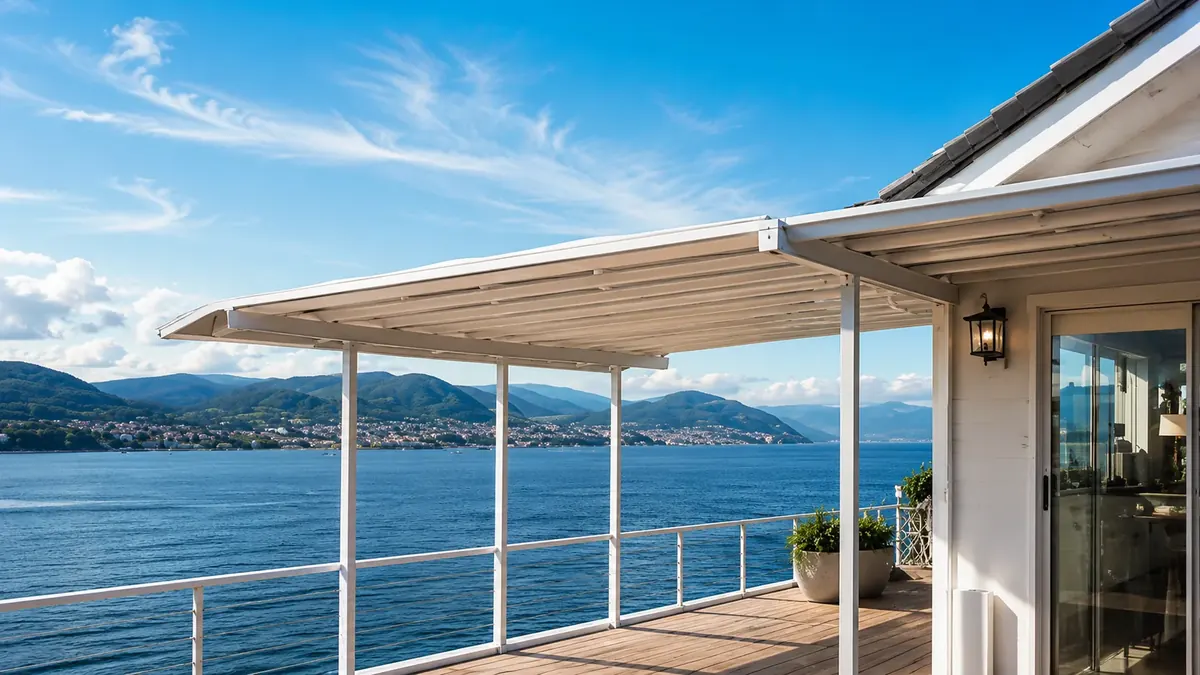
A patio cover protects an outdoor area from rain and sun while keeping the space open. It can make grilling, sitting outside, or storing outdoor furniture more practical without turning the patio into a room. For many homeowners, this is the cleanest first step because it adds everyday usefulness without as much enclosure complexity.
Patio covers still need careful planning. Posts, footings, roof attachment, water runoff, and wind exposure can affect the final design. A simple-looking cover can fail if water is pushed into the house or if the posts land in the wrong place.
What a screen room does best
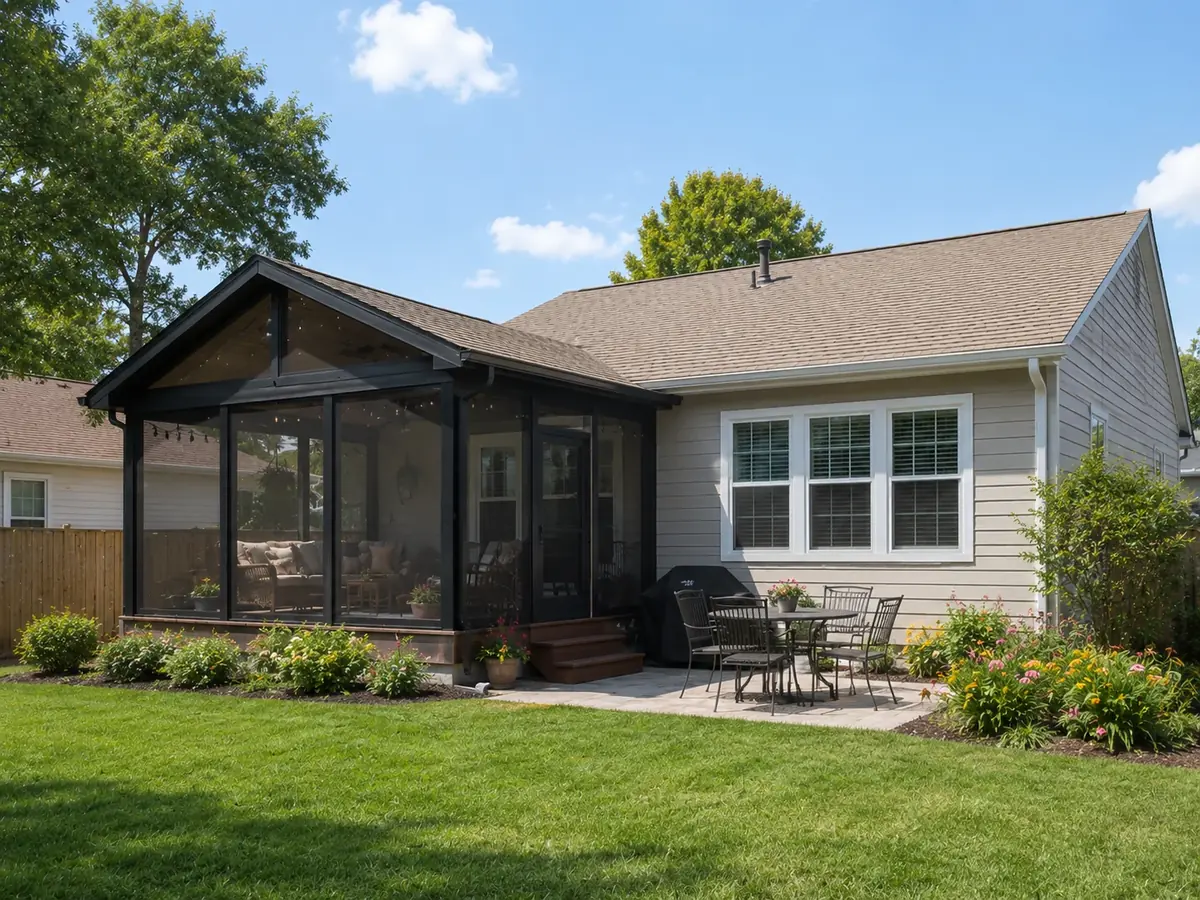
A screen room is a better fit when you like the outdoor feel but want more protection from bugs, leaves, and pets wandering out. It works well for summer evenings, morning coffee, plant space, and comfortable airflow. It is not meant to perform like a fully insulated room, but it can make an existing covered patio feel much more usable.
Screen rooms are often a middle ground. They provide more comfort than an open patio cover but usually cost less and feel less enclosed than a full sunroom. The existing roof or cover matters because screens need a sound structure to attach to.
What a sunroom or solarium kit does best
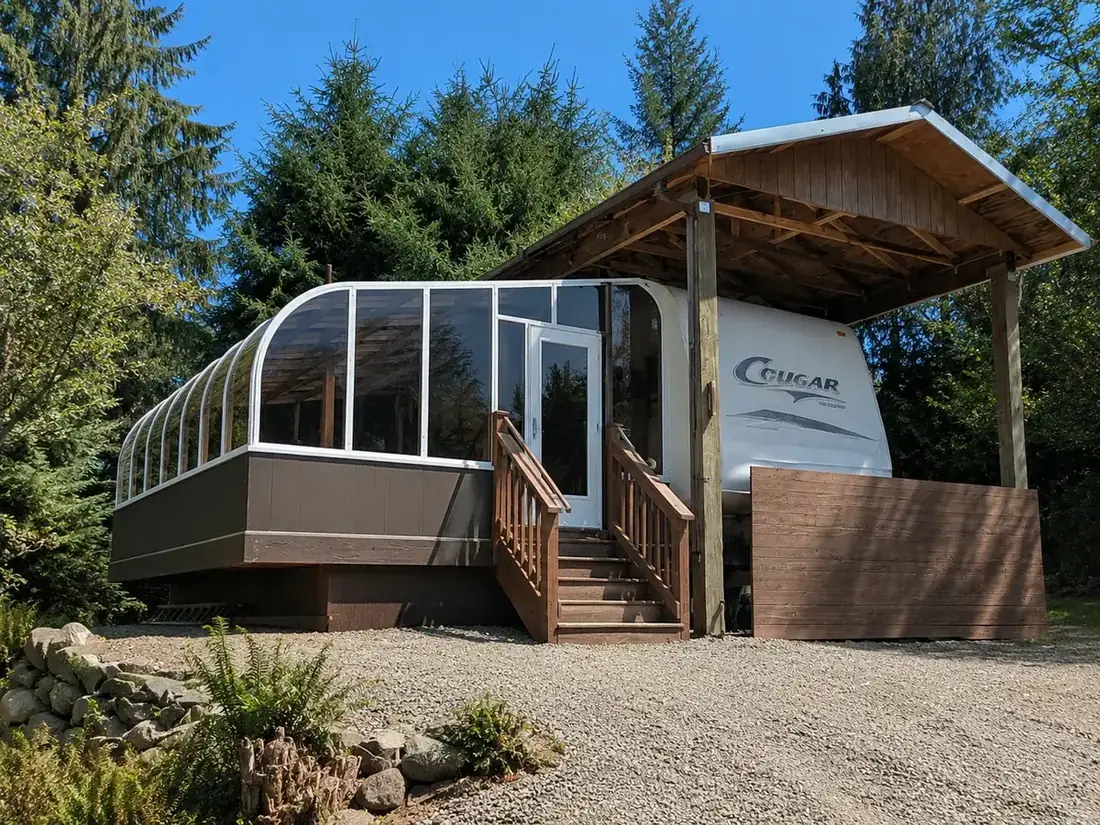
A sunroom or solarium kit is for homeowners who want a brighter, more enclosed space. It may become a reading room, plant room, dining area, or transition space between indoors and outdoors. Because it is more enclosed, it needs more attention to windows, doors, drainage, roofline, ventilation, and comfort expectations.
If you are considering year-round use, also read our guide to 3-season vs 4-season sunrooms. The comfort goal changes the design conversation quickly.
How homeowners actually ask it: do I need a patio cover, screen room, or sunroom?
Ask what problem you are trying to solve first. If rain is the problem, start with a patio cover. If bugs are the problem, look at a screen room. If you want a finished room that changes how the home lives, compare sunroom and solarium kit options.
If the project is going on an existing deck, slow down before choosing. A full enclosure can add more load and water-management needs than a basic cover. Our guide on whether you can build a sunroom on an existing deck explains the checks that matter most.
Step-by-step: choose the right kit type
- Define the main problem. Rain, shade, bugs, privacy, winter use, and resale goals point to different kit types.
- Look at the existing structure. A slab, deck, old patio cover, or roof overhang can help or limit the design.
- Check water movement. Gutters, slope, splashback, and wind-driven rain are especially important in Northwest weather.
- Decide how finished the space should feel. Outdoor, semi-outdoor, and room-like expectations each require different planning.
- Plan for permits early. Requirements vary by location and scope. The International Code Council building permits guide is a useful general starting point.
Common mistakes when comparing options
The first mistake is buying more enclosure than you need. If you only want dry grilling space, a full sunroom may be unnecessary.
The second mistake is buying too little protection. If you want to sit outside without bugs every evening, an open patio cover may still leave the main frustration unsolved.
The third mistake is assuming every option can be upgraded later. Future enclosure is easier when the first phase is planned with that possibility in mind.
The fourth mistake is ignoring roof tie-ins and drainage. The cleanest-looking kit still has to move water away from the house.
FAQ
Which option is usually the simplest?
A patio cover is usually the simplest because it adds rain and shade protection without fully enclosing the space. The actual complexity still depends on roof attachment, posts, footings, drainage, and local requirements.
Which option is best for bugs?
A screen room is usually the better fit when bugs, leaves, and airflow are the main concerns. It gives more protection than an open patio cover without trying to become a fully finished room.
Which option feels most like indoor living space?
A sunroom or solarium kit usually feels most like a room, especially when the design accounts for windows, doors, comfort expectations, water control, and the way it connects to the home.
Can I start with one option and upgrade later?
Sometimes, but do not assume it will be easy. A patio cover or screen room that was not planned for future enclosure may need structural, drainage, or attachment changes before it can become a sunroom.
Bottom line
Choose the option that matches the problem you actually want solved. Patio covers are about rain and shade. Screen rooms are about airflow with bug protection. Sunrooms and solariums are about a more finished enclosed space. The best custom kit starts with that decision, then checks whether the home, deck, roofline, and drainage can support it.